- Allerton Health Centre, Belldean Road, Bradford, BD15 7WA
- enquiries@myskyn.co.uk
Call Now 01274 921 121

Consultations led by Dr Uzma Qureshi, MBChB, MRCGP, MRCS
Losing a significant amount of weight is a real achievement, whether you got there through lifestyle changes, surgery or GLP-1 weight loss medication. For many people, though, the skin doesn’t keep pace. The face can look more hollow or tired, the jawline may soften, and skin on the stomach, arms or thighs can feel looser, thinner or more crepey than before.
At MySkyn Clinic, every plan begins with a detailed medical assessment by Dr Uzma Qureshi, a Bradford GP with surgical and plastic surgery experience. She’ll identify what has actually changed in your skin and recommend the treatment, or combination of treatments, most likely to give you a result you’re happy with.
Focus: Firmer, smoother, healthier-looking skin after weight loss
Approach: Doctor-led assessment and a bespoke treatment plan
Treatment areas: Face, jawline, neck, décolletage, arms, abdomen, thighs, knees and hands
Downtime: Varies by treatment and is explained fully at consultation
Number of sessions: Tailored to your skin, the area treated and your goals
This approach may suit you if you’ve lost weight and noticed:
It may also be right for you if you’re unsure whether non-surgical treatment can help, or whether surgery would serve you better. Getting that answer is exactly what your consultation is for.
Collagen and elastin keep skin firm and help it spring back. When weight comes off, the skin and the tissue beneath it don’t always adapt at the same pace.
How your skin responds depends on how much weight you’ve lost and how quickly, your age, your natural skin quality, sun exposure, genetics and how long the skin was stretched. Rapid weight loss, which some people experience with GLP-1 medications, can make these changes more noticeable.
None of this means your weight loss hasn’t worked. It simply means your skin may need some extra support.
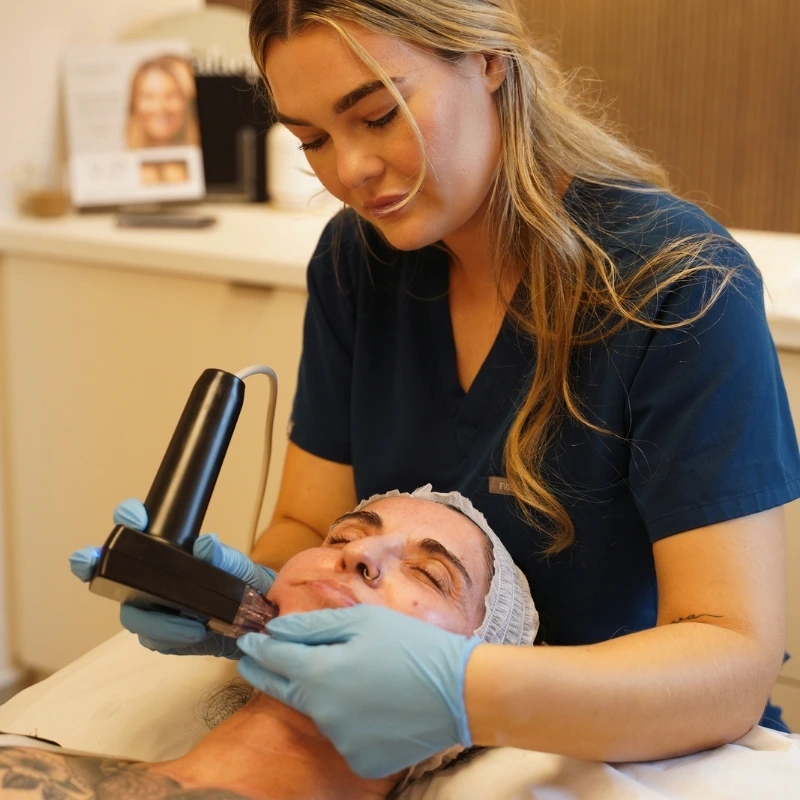
Not every change after weight loss is loose skin. Treating the wrong problem is the most common reason people feel disappointed with results, so diagnosis comes first.
Loose skin (laxity). The skin has lost firmness and elasticity. Treatments that stimulate collagen and remodel the deeper layers are usually the focus.
Volume loss. The support beneath the skin has reduced, which is especially common in the face. Tightening alone can’t restore lost structure, so careful volume support may be needed.
Texture and quality change. Crepiness, roughness, stretch marks, pigmentation and sun damage respond best to resurfacing and hydrating treatments.
Most patients have a mix of all three. Your recommendation will be based on:
Mild to moderate laxity often responds well to non-surgical treatment. Significant excess skin, particularly on the body, usually doesn’t, and Dr Uzma will always tell you which applies to you.
Rather than starting with a treatment, we start with your concern. These are the pathways we most often recommend after weight loss, and many patients benefit from combining more than one.
Recommended: Morpheus8
Morpheus8 combines fine microneedling with radiofrequency energy, delivering controlled heat to a precise depth in the skin. This triggers the skin’s natural healing response and stimulates collagen and elastin, helping to firm and remodel the deeper layers.
It’s often our lead treatment for mild to moderate laxity after weight loss and can be used on the lower face, jawline, neck, décolletage, arms, abdomen and thighs. It can also improve texture and the look of stretch marks. Some redness and swelling is normal for a few days afterwards, and the number of sessions is tailored to you.
Recommended: Skin Boosters
Skin boosters are injectable treatments that improve hydration, texture and skin quality. They do not add volume or change your features. Instead, they work within the skin to support hydration, collagen and elastin.
We offer Profhilo, BabyGLOW, Hydro Deluxe and Polynucleotides. These treatments can be used on the face, neck, décolletage, hands and body, depending on your skin concerns and treatment plan.
Your recommended course and maintenance plan will depend on the treatment used and your individual needs.
Recommended: LaserMe fractional laser resurfacing
LaserMe is a fractional, non-ablative laser that creates tiny, controlled heat zones in the skin. This encourages collagen remodelling while gently resurfacing the surface for fresher, smoother, more even skin.
It’s primarily a skin quality treatment with added rejuvenation and tightening benefits, and it’s well suited to the face, neck, chest and arms. Recovery and aftercare are explained in full at consultation, with follow-up appointments to monitor healing.
Recommended for selected patients: Radiesse
Radiesse is a biostimulatory injectable containing calcium hydroxylapatite microspheres. It provides immediate contour and support, then continues to stimulate collagen over the following weeks.
For the right patient, it offers a valuable middle ground between volume support and skin rejuvenation, particularly for sagging cheeks, a less defined jawline, nasolabial folds, the backs of the hands and the décolletage. Radiesse is performed by Dr Uzma, with a follow-up consultation to review your result.
Recommended selectively: Dermal fillers
When weight loss causes facial hollowing, the issue is often lost volume rather than loose skin. Carefully placed hyaluronic acid fillers can restore support to sunken cheeks, temples, tear troughs, the jawline and chin.
We use fillers conservatively. The aim is to look refreshed and like yourself, never “done”. All filler treatments are performed by Dr Uzma, and risks are discussed fully before anything goes ahead.
Recommended: A combined, staged plan
Facial changes after weight loss are often a mix of laxity, volume loss and texture change. A combined plan might pair Morpheus8 or LaserMe for skin quality and firmness with Radiesse or fillers for structure. On the body, Morpheus8 is often the starting point, sometimes alongside Profhilo. We’ll explain why each step is recommended and how it fits the bigger picture, and you’ll never be pushed towards treatments you don’t need.
Non-surgical treatments can make a real difference to mild and moderate laxity. They cannot remove large amounts of excess skin.
If your assessment shows that surgery would give you a significantly better result, we’ll tell you. Not everyone is a suitable surgical candidate, and many people simply don’t want surgery. Where a surgical opinion is the right next step, we can discuss options through MySkyn Surgical, so you can make a fully informed decision.
You don’t need to have the answer before you visit. Dr Uzma will assess your skin properly and give you honest advice on what will genuinely help.
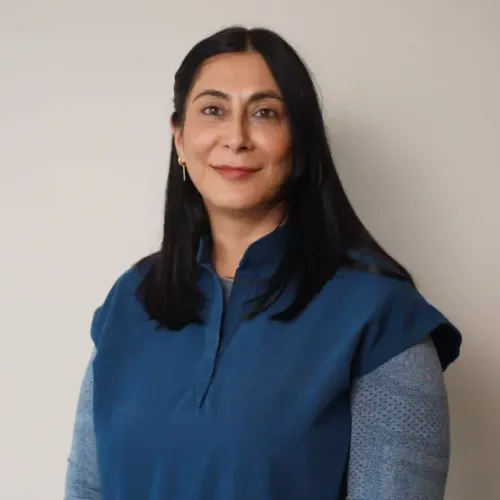
Dr Uzma qualified as a doctor from Manchester University and has worked as a GP in Bradford for over 10 years. Her surgical skills and plastic surgery experience give her a detailed understanding of facial and body anatomy, which is essential when weight loss has changed both the skin and the structure beneath it.
As an undergraduate tutor for Leeds University, she trains medical students and junior doctors. She is known for evidence-based, unbiased advice, a firm commitment to patient safety and treatment plans built around each individual.
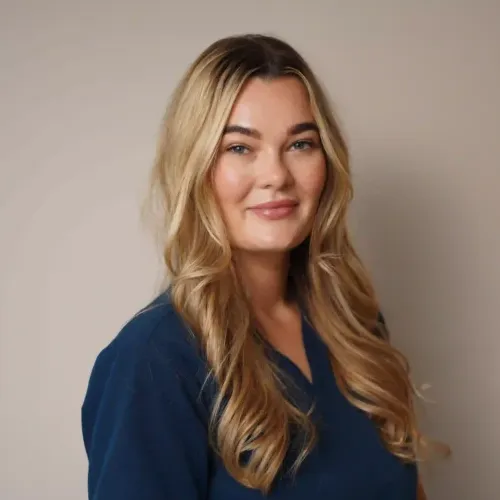
Nicole holds Level 4 qualifications in laser and light, IPL and hair removal. She helps deliver selected non-surgical skin treatments with a calm, reassuring approach and close attention to detail, so you always feel informed and comfortable.
Medically led from start to finish. As a CQC registered, doctor-led clinic, every plan is overseen by Dr Uzma, with patient safety at the heart of your care.
Honest, personalised advice. Your plan is built around your skin and goals, including a straight answer if surgery would serve you better.
You’ve worked hard for your weight loss. Now let’s help your skin catch up, so you feel confident, comfortable and proud of what you see in the mirror.
Book a doctor-led consultation with Dr Uzma Qureshi at MySkyn Clinic for an honest assessment, a clear plan and expert care from start to finish.
They can improve firmness, texture and skin quality, particularly where laxity is mild to moderate. They can’t remove significant excess skin. Your consultation will make clear what’s realistic for you.
It’s generally best to begin once your weight has stabilised, so further changes don’t affect your results. Dr Uzma will advise on timing based on your situation.
This depends on your health, your medication and where you are in your weight loss journey. We’ll review this carefully during your medical consultation.
Facial changes are usually a combination of laxity, volume loss and texture change. After assessing you, Dr Uzma may recommend a single treatment or a combined plan using options such as Morpheus8, LaserMe, Profhilo, Radiesse or dermal fillers.
Yes, where laxity is mild to moderate. Morpheus8 is often the starting point for the body, sometimes alongside Profhilo. If there’s significant excess skin, we’ll explain why a surgical opinion may be more appropriate.
Most patients find treatment very manageable. Numbing cream is used where appropriate, and our team will keep you comfortable throughout.
This varies by treatment, area and how your skin responds. Your personalised plan will set out a clear recommendation before you begin.
